YouTube Shorts Trends 2026: What’s Actually Going Viral
Updated monthly - last refreshed October 2026.
You open Shorts for “just a minute,” and forty minutes later you’ve seen three formats you’d never noticed before - a viral animation meme, a suspiciously polished AI avatar channel, a 45-second explainer that beat Google search. Meanwhile your own upload schedule stalled, because the trend list you saved is already six months stale.
That’s the real challenge in 2026: it’s not a lack of ideas, it’s that Shorts moves fast enough to make last quarter’s playbook feel dated. Below: what’s trending right now, the formats with staying power, and how to turn any of them into a video with AI - no video background required.
Why YouTube Shorts Trends Matter in 2026
Shorts stopped being a side feature a while ago. In his 2026 letter to creators, YouTube CEO Neal Mohan confirmed that Shorts now average over 200 billion daily views - up from roughly 70 billion in 2024, a 186% jump in two years. That scale alone changes the calculation for anyone posting video, but a few other shifts make trend-tracking specifically worth the effort this year:
- It’s the main discovery surface now. For a growing share of channels, Shorts - not search or subscriptions - is how new viewers find them first.
- Monetization has caught up. YouTube has moved Shorts revenue sharing closer to parity with long-form video, so a trending Short is no longer just a vanity metric.
- Shorts are becoming a search answer. Google increasingly surfaces short videos directly in mobile search results for quick, visual questions - meaning a well-made Short can rank, not just go viral.
- View counting changed. Since March 2025, a view counts the moment a Short starts or replays, with no minimum watch time - which is exactly why hook quality and retention matter more than ever to actually grow, not just rack up plays.
In short: the trends below aren’t just “nice to try.” They’re the current shape of what the algorithm is actively rewarding.
What’s Trending on YouTube Shorts Right Now
October 2026
- Halloween transformations and costume reveals. October is a natural time for before-and-after makeup, costume reveals, spooky character transformations, and unexpected visual switches. The most effective versions establish an ordinary look first, then reveal the finished transformation on a beat or at a sharp cut. Creators can also apply the format to pets, fictional characters, room makeovers, and animated avatars.
- Example:
- “The “Haaland’s Perfect Jawline” character meme. Football-related humor is another format to watch. A September 2026 Short titled “Haaland’s Perfect Jawline” paired Erling Haaland and Kylian Mbappé with an exaggerated appearance-based joke, illustrating how a recognizable public figure can become the punchline of a quick visual edit. The format is adaptable to fictional characters, game avatars, or original AI-generated personalities, provided the joke is transformed into an original creation rather than a straight repost.
- Example:
September 2026
- The “Will He Perform When He Has Money Right In Front Of Him” fail-audio trend. A 2021 Remble rap lyric became the go-to soundtrack for fail clips starting mid-August 2026, after a Wii Sports bowling whiff set to the line went viral on TikTok. By September it had crossed over into Shorts in force, with the audio used in over 53,000 videos - sports blunders, stunt fails, and the occasional twist where the subject actually lands it.
- Example:
- “Face dancing” and the Miny Naranja wave. Face dancing - lip-syncing to a song while striking exaggerated, highly expressive facial poses - has existed since the late 2010s, but creator Miny Naranja pushed it back into the mainstream in late August and September 2026 when her clips jumped from TikTok into wider discourse about whether the format takes real skill or is just “cringe.” Either way, it’s spreading fast as a low-effort, high-personality format.
- Example:
August 2026
- The “Gucci Morty” aura meme. In mid-August 2026, an Instagram edit gave Rick and Morty’s Morty Smith a Gucci T-shirt, skinny jeans, and a slicked dark haircut. Within a week it had spread across TikTok, X, and Shorts as an ironic “immense aura” meme, with creators making reveal edits, AI variants, and Gucci versions of other cartoon characters.
- Example:
July 2026
A few things are dominating feeds this month specifically:
-
The “Twins at the Carousel” animation meme. A song-timed animation format set to Kikuo’s track began on June 10, 2026, and is still spreading in July, with fan animators across YouTube and TikTok inserting their own characters into the same choreography - everything from video game franchises to original characters.
-
Example:
-
The “Matrix Verity” edit. A cursed, smiling-face meme built around creator ThatMob’s Minecraft horror character Verity has taken off in July, spawning remix, funk, and crossover versions that are circulating on both TikTok and YouTube Shorts at once.
-
Example:
-
“2026 is the new 2016” nostalgia edits. A wave of creators are recreating 2016-era trends - Mannequin Challenge and Bottle Flip Challenge throwbacks, early-iPhone photo quality, old Snapchat filters - as a reaction against AI-heavy “brainrot” feeds, and it’s still gaining traction into July.
-
Example:
Specific memes like these come and go fast, but they’re built on top of a smaller set of durable formats that keep resurfacing year after year. Here’s the fuller list.
Top YouTube Shorts Trends in 2026
Quick Reference: Trends at a Glance
| Trend | Why It Works | Best Fit |
|---|---|---|
| Mini vlogs | Low cost, feels authentic and unscripted | Personal / lifestyle accounts |
| Pet content | Tops engagement across 30M-video studies | Any niche, very low barrier |
| Dance / trending audio | Early-adopted sounds boost reach ~21% | Entertainment, music, lifestyle |
| Explainer Shorts | Answers search queries; 76% watch-through at 50-60s | Education, tutorials, how-to |
| Meme animation / animatics | Reusable template spreads fast across fandoms | Animators, meme accounts |
| Faceless / AI avatar | 38% of new monetization ventures in 2026 | Camera-shy creators, scaled channels |
| AI-narrated stories | Sub-$3 production cost per video | Fiction, horror, recap channels |
Mini Vlogs & Day-in-the-Life Content
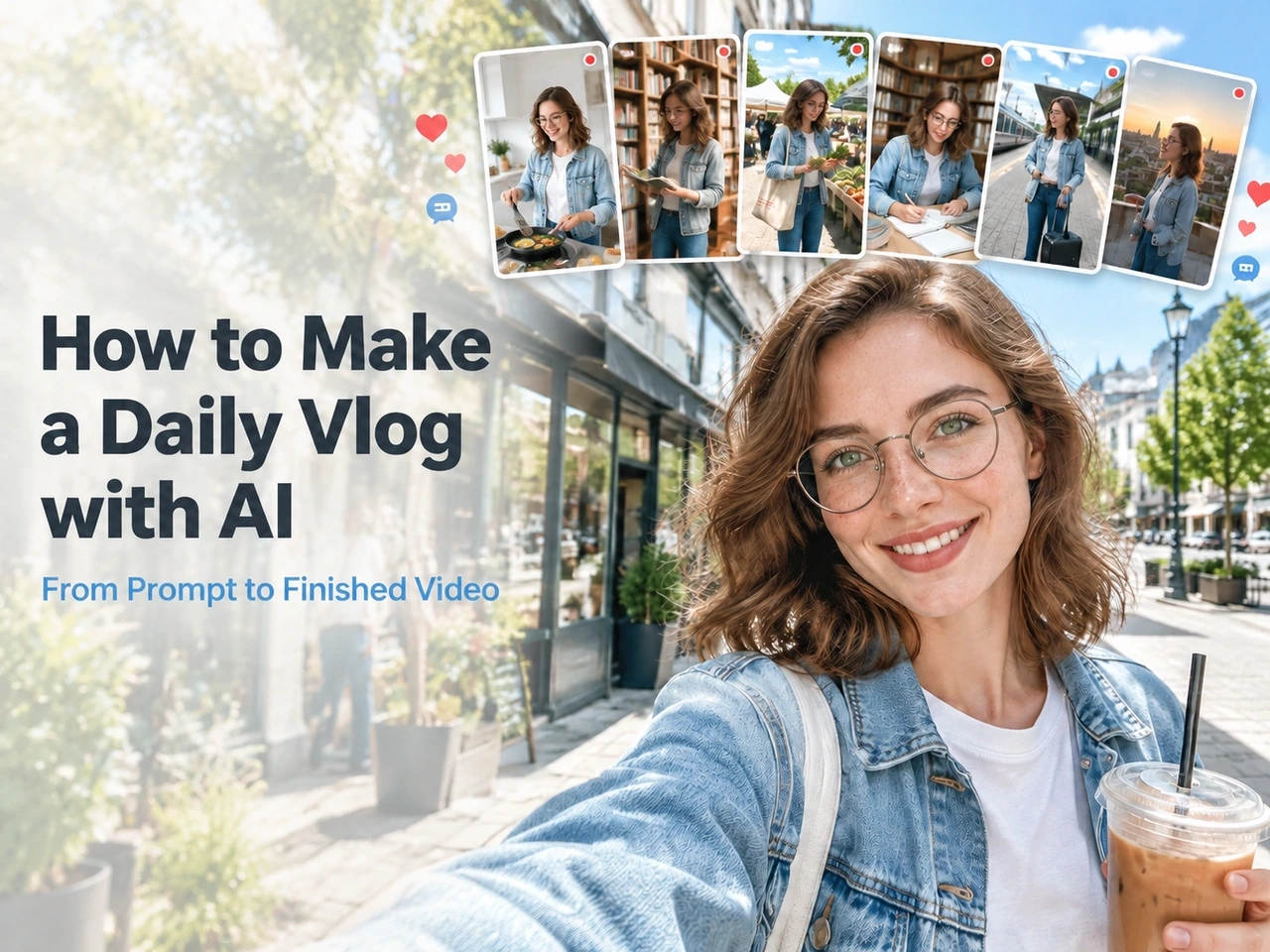
Short, candid glimpses of an ordinary routine - a morning, a commute, a work shift - remain one of the most consistently high-engagement formats on Shorts. They work because they cost almost nothing to make and because the algorithm currently rewards content that feels unscripted over polished. For creators, that’s good news: a phone, a routine, and a caption are often enough.
- Example:
Pet Antics and Animal Adventures
Animal content is about as close to “evergreen” as Shorts gets. A study of 30 million videos found that pranks, challenges, and oddly satisfying clips - the exact bucket most pet videos fall into - pull in the most views of any content type on the platform. A dog’s reaction, a cat’s habit, or a pet “talking” through captions rarely needs much more than that.
- Example:
Dance Challenges and Trending Music
Dance content hasn’t gone anywhere, but the mechanic behind it has become more precise: using a trending audio within the first 5 seconds of a Short measurably increases reach, by roughly 21% according to platform analytics. The dance itself matters less than being an early, recognizable adopter of whatever sound is currently climbing.
- Example:
Quick Educational / Explainer Shorts
Explainers are having a moment for a specific reason: Google is increasingly surfacing short-form video directly in mobile search results for practical, how-to questions. A tight 45-60 second Short that actually answers “how do I fix a leaky faucet” or “how do I remove a stripped screw” is now competing with articles for that search real estate - and Shorts in this length range see watch-through rates as high as 76%.
- Example:
Meme-Style Animation & Song Animatics
This is the fastest-moving category right now. The “Twins at the Carousel” trend - a deadpan character stared down by miniature versions of itself, animated to a Kikuo track - started as a single TikTok post in June 2026 and was reworked by thousands of animators within weeks, each swapping in their own character while keeping the same timing and choreography. It’s a template: creators reuse a proven audio-and-motion structure and supply only the character, which is exactly why animatic-style memes spread so much faster than original concepts.
- Example:
Faceless & AI Avatar Channels
Faceless channels have moved from side-hustle to mainstream business model. A few numbers put the shift in perspective:
- 38% of new creator monetization ventures in 2026 are faceless, up from about 12% in 2022.
- 58% higher retention has been observed on faceless Shorts that use a clear voiceover or a consistent AI avatar, versus generic stock-footage-and-narration formats.
- $946 million is the projected 2026 size of the AI video generation market, growing at a 20.3% CAGR, which is the tooling wave making all of this possible.
What changed isn’t just the tooling - it’s the bar. Generic AI slideshow narration is being demoted; channels that pair AI production with a consistent character, a real point of view, and original research are the ones actually breaking out.
- Example:
AI Voiceovers and Story Videos
Narrated fiction - horror, sci-fi, folklore, true-crime-style recaps - is one of the strongest-performing faceless categories, largely because AI voice tools have collapsed the cost of producing a finished, well-paced story short to a few dollars per video. The catch: platforms and audiences increasingly expect clear labeling of AI-generated or AI-voiced content, so transparent disclosure is becoming part of doing this well, not just a compliance checkbox.
- Example:
How to Make a Viral YouTube Short with AI
How AI Simplifies Shorts Production
Most of the trends above share the same bottleneck: coming up with the idea is fast, but scripting, animating, voicing, and editing it used to take hours you don’t have. That gap is exactly what production volume data reflects - the average creator posts about 7 Shorts a month, while top-performing channels post 18-22, and six months of consistent posting is linked to a 44% jump in channel growth.
Consistency, not raw talent, is the biggest lever, which is why AI-assisted production has become less of a shortcut and more of a requirement for anyone trying to compete.
How to Create Viral YouTube Shorts with Anijam AI [Step by Step]
Anijam AI gives you two ways to turn a trending idea into a YouTube Short: recreate a trend with ready-made templates, or create an original Short with the AI Video Agent. Both workflows bring ideation, story, visuals, voice, and editing into one workspace.
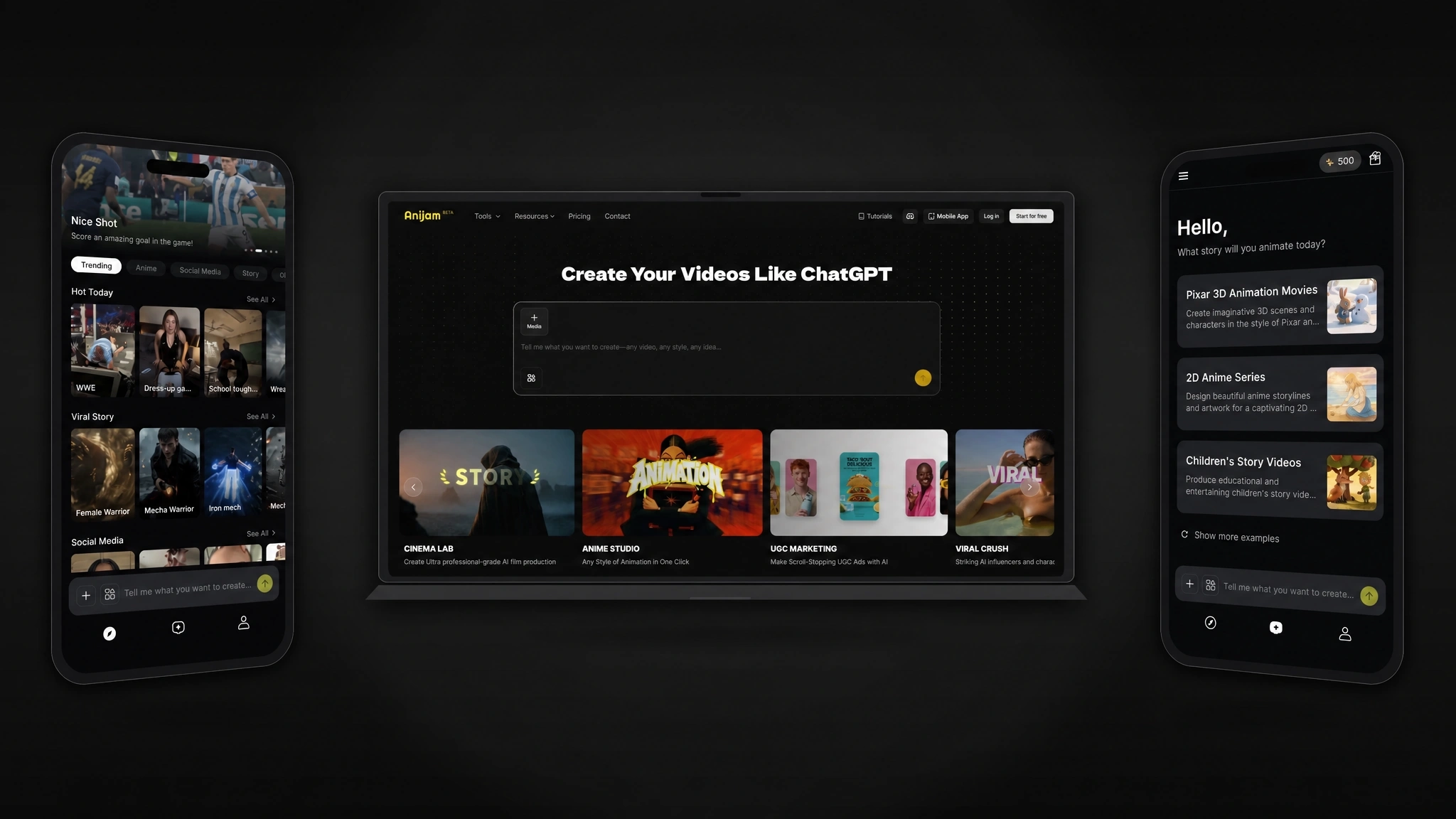
Here’s how it works in practice:
Option 1: Recreate a Trending Short with a Template
When a format starts taking off, speed matters. Anijam’s Trending Templates are regularly updated with new formats and creative ideas, so you can start from a proven concept instead of building everything from scratch.
Step 1 — Pick a trending template: Browse the template library and look for a format that matches the trend you want to recreate, from animation memes and character videos to social-first Shorts.
Step 2 — Add your own character or image: Follow the template’s input requirements, such as uploading a character image or photo, then let Anijam adapt the format to your content.
Step 3 — Recreate and customize: Generate your version of the trend, then make adjustments to the visuals, characters, or other creative details before exporting it as a vertical Short.
This is the fastest workflow when you want to catch a trend while it’s still fresh without recreating every scene manually.

Option 2: Create an Original Short with the AI Video Agent
If you want to put your own spin on a trend—or create something completely original—start with Anijam’s AI Video Agent instead.
Step 1 — Start with an idea, image, or script: Tell Anijam what you want to make in plain language, or provide a reference image or script. You can describe the trend you want to adapt, your audience, the platform, or the kind of story you have in mind.
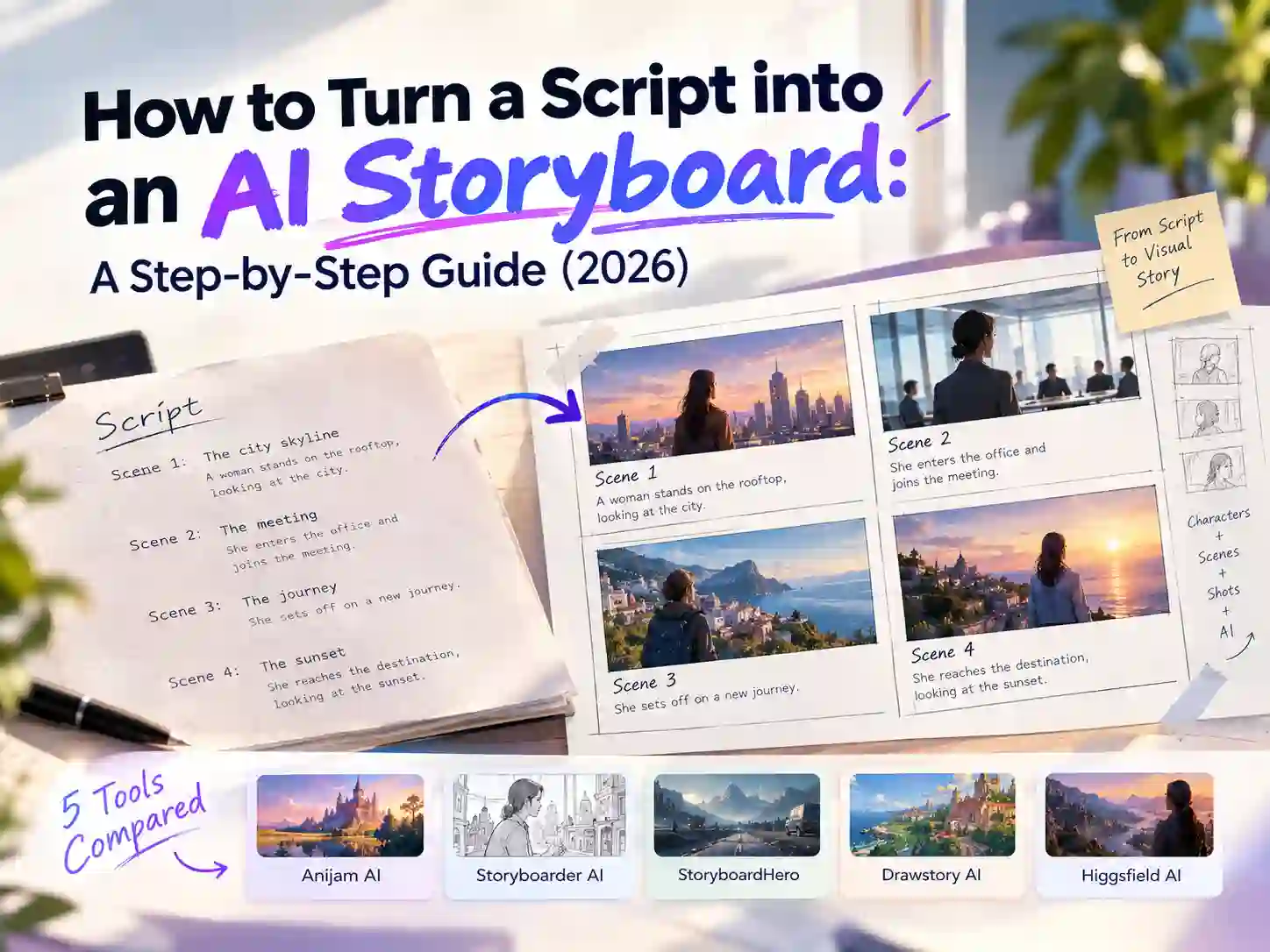
Step 2 — Let the AI build the story: Anijam turns your idea into a structured story and storyboard, while helping design and maintain consistent characters across scenes.
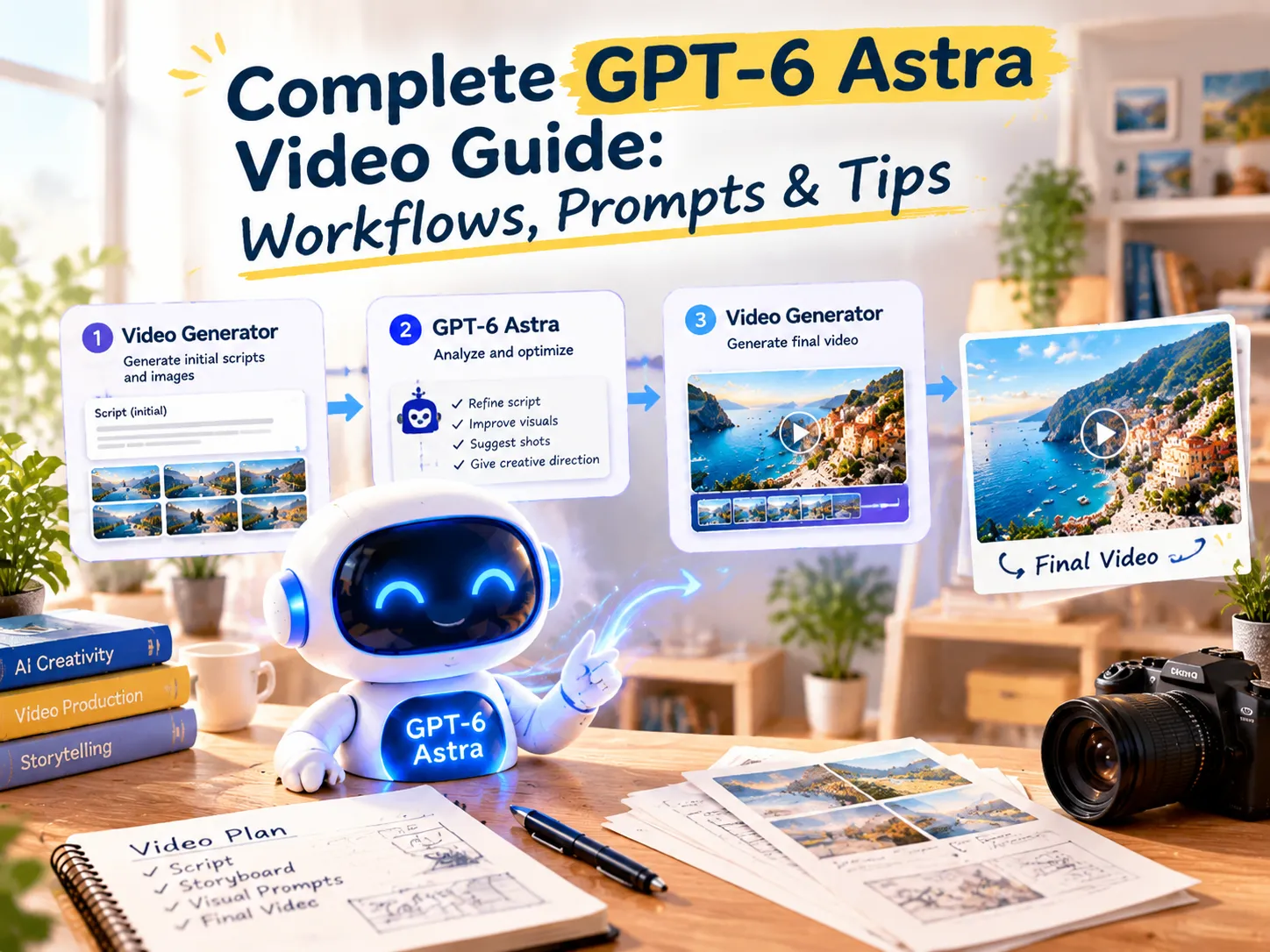
Step 3— Create and refine the video: The AI Video Agent generates the scenes, animation, voice, and lip sync, while you can refine the result through conversation and make changes without rebuilding the entire video from scratch.
Step 4 — Edit everything in One Canvas: Bring the generated scenes together in Anijam’s workspace, refine the timeline, adjust shots and transitions, and add captions or other finishing touches.
Step 5 — Export for Shorts: Set the video to a vertical 9:16 format and export your finished Short for YouTube.
Whether you’re recreating a format that’s already trending or developing your own take on it, Anijam lets you move from trend → idea → finished Short in one workflow.
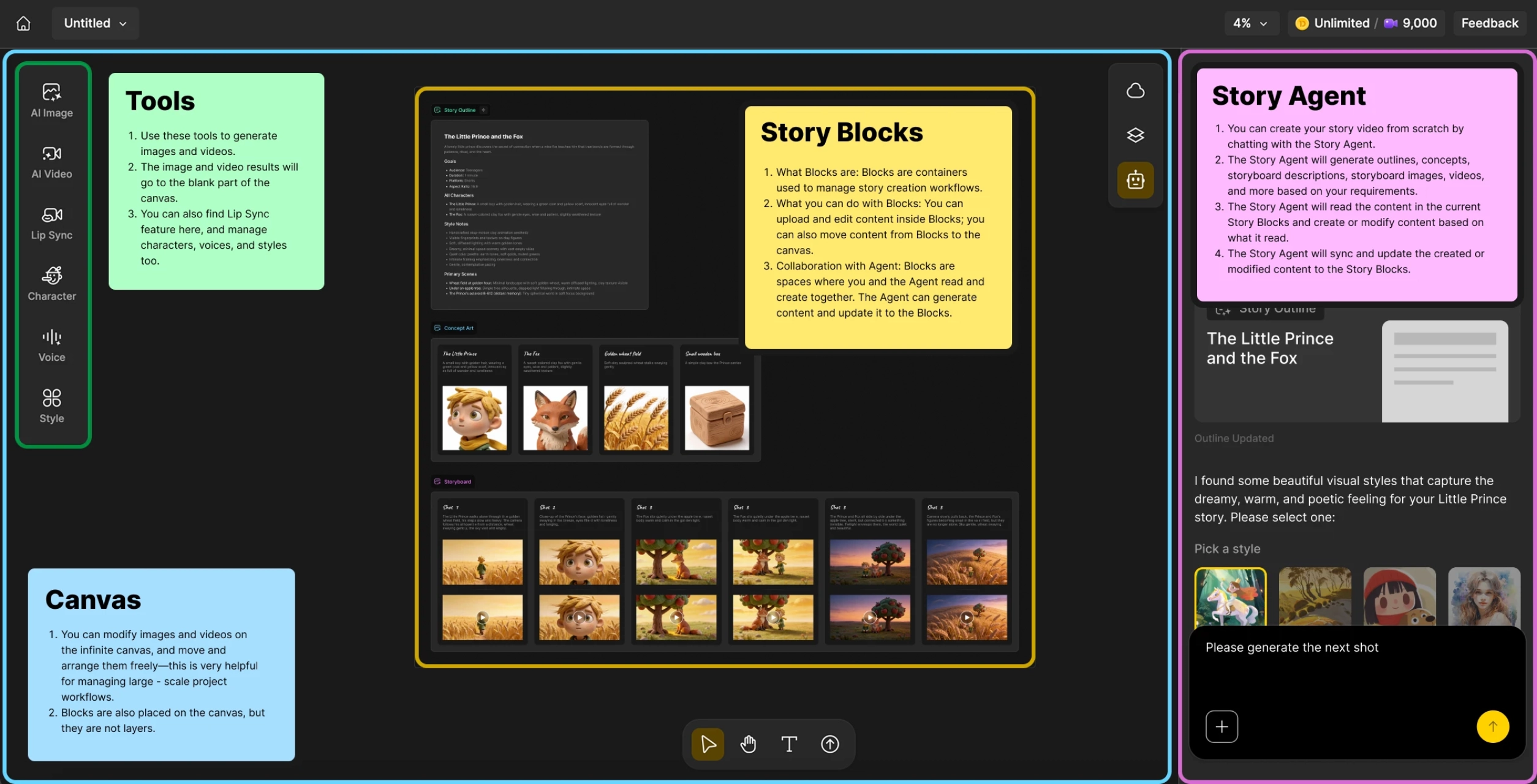
It’s the fastest path from “I like that trend” to a finished Short, especially for formats like Twins at the Carousel or Matrix Verity where the animation itself is a repeatable template and the only real variable is the character.
Best Practices to Make Your AI Short Go Viral
- Hook in the first 2-3 seconds: open on the most visually interesting moment, not a slow build-up.
- Use trending audio early: placing it within the first 5 seconds is linked to roughly 21% more reach.
- Add captions: an estimated 85% of mobile viewers watch with sound off, so on-screen text carries the story.
- Keep it in the 50-60 second sweet spot: this range shows the strongest watch-through rate (around 76%) for most content types.
- Post consistently: 6 months of regular uploads correlates with a 44% increase in channel growth - aim closer to the 18-22-per-month range top performers hit, if your workflow allows it.
- Label AI content honestly: disclosing synthetic media keeps you aligned with platform policy and builds trust with viewers who are increasingly comfortable with AI content when it’s transparent.
Conclusion
Trends move fast on Shorts, but the two hardest parts - knowing what’s actually working right now, and turning that into a finished video - don’t have to both be hard at the same time.
The formats above cover what’s performing in 2026, and tools like Anijam AI cover the production side, turning a plain-language description into a platform-ready vertical video in minutes instead of days.
Frequently Asked Questions
What’s trending on YouTube Shorts right now?
As of October 2026, trend-inspired formats worth exploring include Halloween transformations, character-based memes, and animal videos with unexpected visual payoffs. Individual sounds and memes can change quickly, so check recent Shorts and current audio availability before choosing a format.
How long should a YouTube Short be in 2026?
YouTube now allows Shorts up to 3 minutes, but data shows 50-60 second videos get the strongest watch-through rate, around 76%. For pure meme or dance content, 15-30 seconds still tends to perform best.
Can I make a YouTube Short without appearing on camera?
Yes. Faceless formats now make up about 38% of new creator monetization ventures in 2026, using AI voiceovers, consistent AI avatars, or animation instead of an on-camera host.
Do I need video or drawing skills to make a YouTube Short?
No. Tools like Anijam are built so you describe your idea in plain language and the AI handles character design, scene generation, and motion - no drawing, rigging, or animation software experience required.
Is Shorts monetization the same as long-form YouTube video?
YouTube has moved Shorts revenue sharing closer to parity with long-form video as part of its 2026 push, though exact rates still depend on ad performance and content category.
What’s the best AI tool for making YouTube Shorts in 2026?
It depends on your workflow, but for creators who want script, scene generation, character consistency, lip sync, and editing in one place - rather than piecing together several separate AI tools - Anijam AI is built specifically for that end-to-end Shorts production process.
by Evan
Evan is an AI content creator and video technology writer at Anijam AI, focused on how generative AI is transforming storytelling and video production. He shares social trends, creative workflows, prompt strategies, and practical insights to help creators turn ideas into engaging videos and visual content.